Choosing a Log Splitter: Start With Your Wood
How to choose a log splitter: measure your wood, pick electric or gas, size the tonnage, check log length, cycle time and weight, then shortlist.

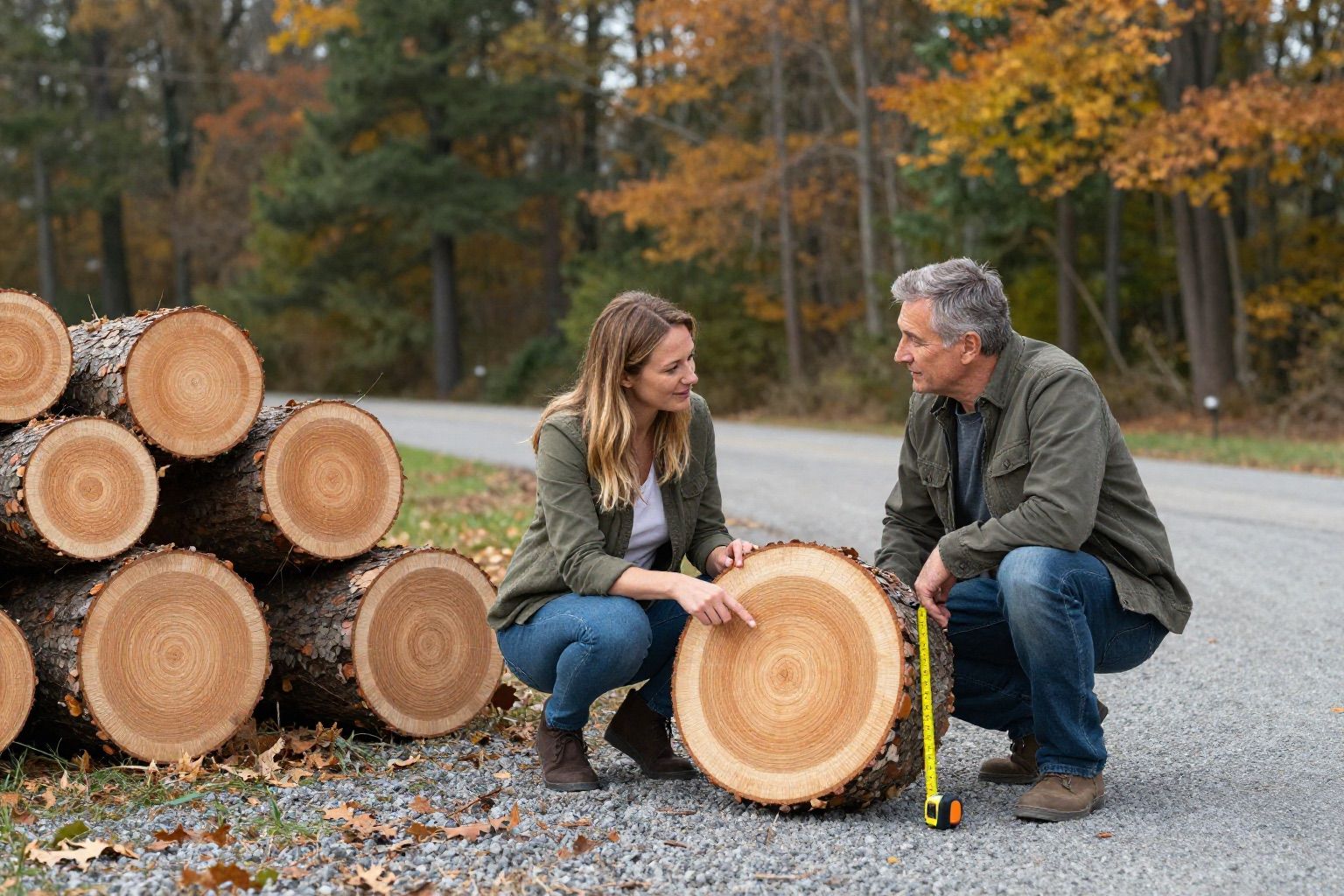
To choose a log splitter, measure your wood first: the length you cut for the stove, the diameter of your biggest rounds and how knotty they are. That picks the class: a 5 to 7 ton electric for seasoned firewood next to an outlet, a 20 to 25 ton gas machine for mixed hardwood anywhere, 30 tons and up with a vertical mode for big green rounds. Then compare log length, cycle time and weight inside that class.
Affiliate disclosureAs an Amazon Associate we earn from qualifying purchases.
Step 1: measure your woodpile
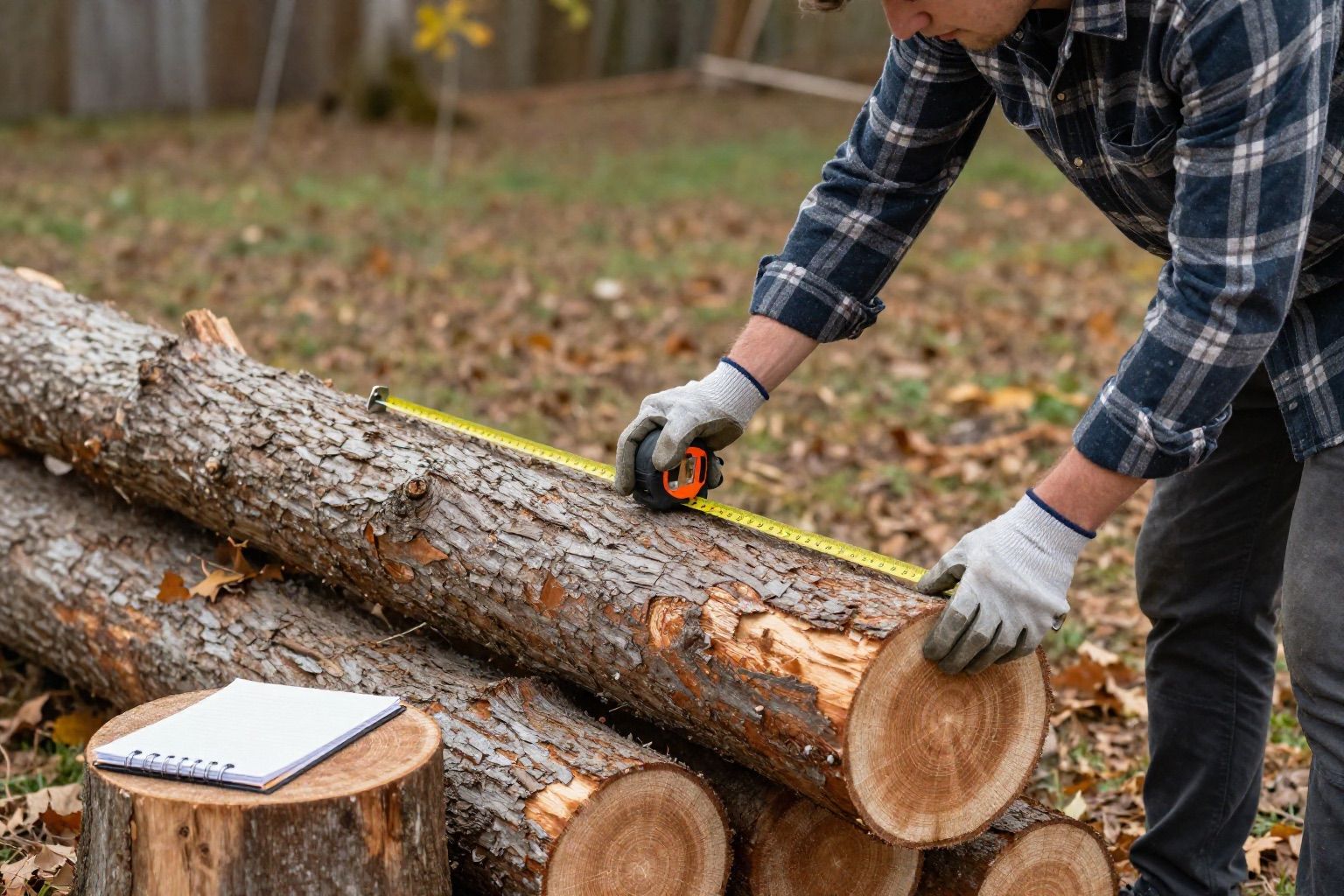
- Log length. What you cut for your stove, often 16 inches, the width of a standard face cord (Penn State Extension). Electric splitters top out around 20.5 to 21 inches (WEN, PowerSmart PS90), most gas machines at 24.
- Biggest diameter. Small electrics state a maximum, often 10 inches. Beyond it they stall.
- Species and state. Straight, seasoned wood splits easily, while knotty, twisted or very large green rounds need more force.
- How much. A cord is a stack 4 × 4 × 8 feet, 128 cubic feet (Penn State Extension). A cord or two a year is a different job from ten. Our cord calculator works out your pile.
Step 2: electric or gas, kinetic or hydraulic
| Type | Typical force | Cycle time | Good for |
|---|---|---|---|
| Electric hydraulic | 5–7 tons | 20–22 s (WEN, PS90) | seasoned firewood near a 15 A outlet; quiet, no fuel |
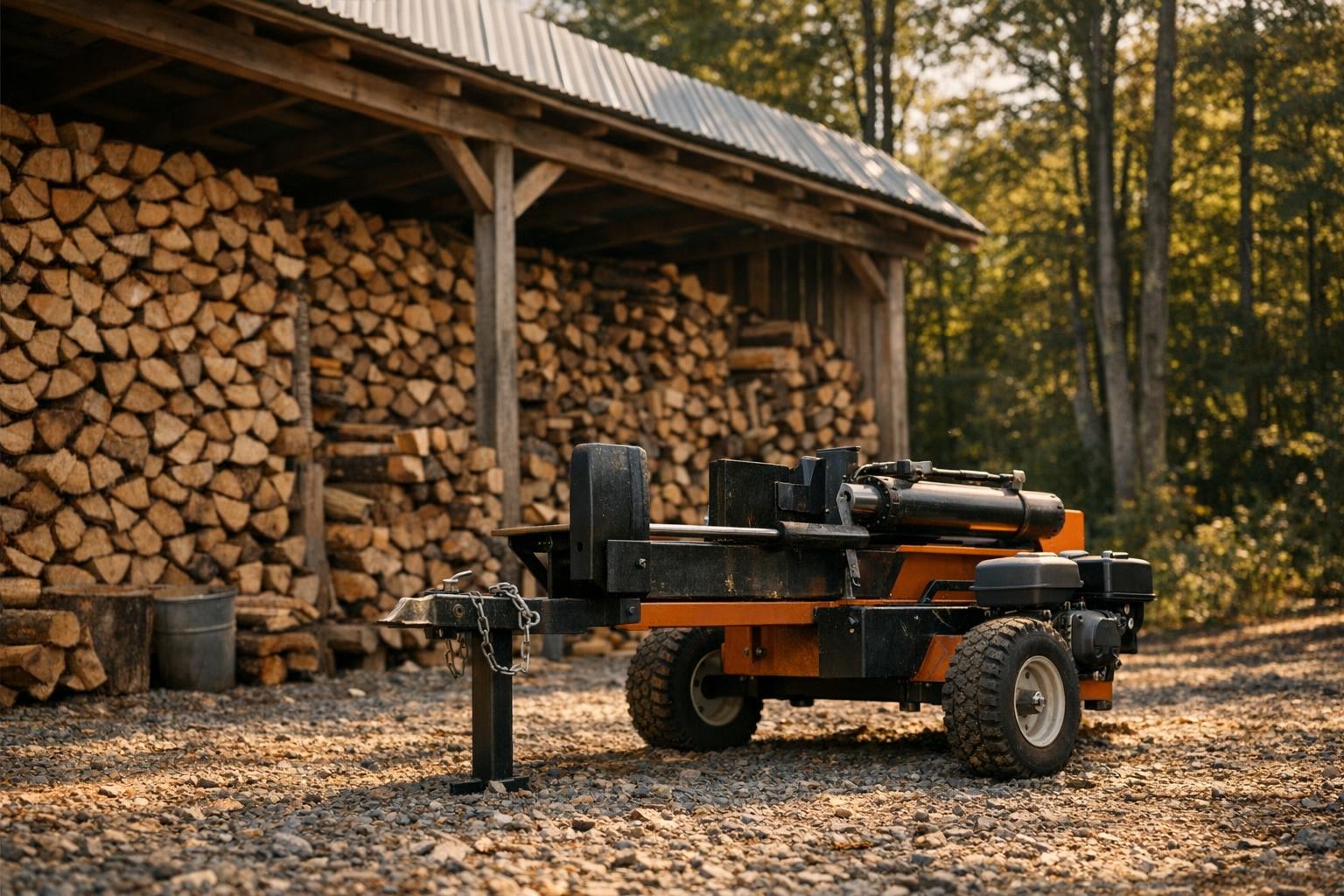
| Gas hydraulic | 20–40 tons | 7–16 s | mixed hardwood, big rounds, anywhere on the property |
| Gas with vertical mode | 25–40 tons | 13–16 s | rounds too heavy to lift |
| Kinetic (flywheel) | about 10 tons in our catalog | about 2–3 s | straight-grained wood in volume |
Electric means an outlet and the right cord: PowerSmart allows 25 feet of 14-gauge cord, WEN 25 feet of 14-gauge or 50 feet of 12-gauge. Gas means fuel, engine oil, noise and carbon monoxide, so outdoors only. Our gas vs electric guide and kinetic vs hydraulic guide go deeper.
Step 3: size the tonnage, then check the rest
Size the force for the toughest wood you really have, not the toughest wood you can imagine. More tons means a bigger cylinder and usually a slower cycle: Champion's 32 and 37-ton machines both take 16 seconds, some 20-ton listings claim 7. Our tonnage guide and the tonnage planner do the matching.
- Weight and moving. 98 lb for the WEN electric, 495 lb for Champion's 32-ton gas. Plan the delivery and the route to the woodpile.
- Orientation. Vertical mode if you have rounds over about 100 lb, Champion's loading limit.
- Upkeep. Hydraulic oil every 100 to 150 hours, plus the engine on gas models (maintenance guide).
Budget for what comes with the machine type, too. A small electric holds 2.9 to 3.7 quarts of AW32 and needs the right outdoor cord. Champion's 32-ton gas splitter takes 5 gallons of hydraulic oil, 1.2 quarts of engine oil, a hydraulic filter every 100 hours and regular unleaded with no more than 10% ethanol. Add safety glasses and hearing protection whatever you buy.
Mistakes we see most often
- Buying on tonnage alone. A 40-ton machine for 12-inch seasoned firewood is heavier, slower and dearer than you need.
- Forgetting log length. If you cut 24-inch wood, a 20.5-inch electric splitter is out, whatever its force.
- Undersized extension cords. They starve the motor. Follow the gauge table in the manual.
- No plan for the heavy rounds. Either a vertical mode or a smaller chainsaw cut, not your back.
Before you order, check four things in the manual rather than the listing: the maximum log length and diameter, the oil type and whether the tank is already filled (PowerSmart ships the PS90 with AW32, and Champion ships some gas models with a temporary plug you must swap before the first start), the cord or fuel the machine needs, and the weight you will have to unload. If the seller cannot show you a manual, keep looking.
Working to a budget? Our guide to cheap log splitters shows what each price band buys. If pace matters, compare cycle times inside the class with our fastest log splitters guide.
Questions buyers ask
How do I choose the right log splitter?
Measure your wood (stove length, biggest diameter, how knotty), pick electric or gas by where you split, size the tonnage for your toughest rounds, then compare log length, cycle time and weight within that class.
What size log splitter do I need for firewood?
For seasoned firewood up to about 10 inches, a 5 to 7 ton electric. For mixed hardwood and bigger rounds, 20 to 25 tons. For big or knotty green rounds, 30 tons or more with a vertical mode.
Is a 7-ton log splitter enough?
For seasoned, fairly straight rounds within its stated diameter (often 10 inches), yes. For big, green or knotty hardwood, look at the 20-ton gas class.
Is it worth buying a log splitter?
If you split a cord or more a year, a splitter saves a lot of time and effort over a maul. For a little kindling, a hand tool may be enough. See our kindling splitter guide.
Our rated picks
For seasoned firewood near an outlet, the YARDMAX YS0650 6.5-Ton Log Splitter (9.1/10) tops our 5–7 ton electric ranking. For most mixed hardwood, the Landworks 20-Ton Gas Log Splitter (9.2/10) leads our main ranking with 20 tons, 20-inch logs and a 7.5-second cycle according to the listing. For the biggest rounds, the BILT HARD 40-Ton Gas Log Splitter (9.1/10) heads our 33–40 ton ranking. You can also line up any models side by side on our compare page.

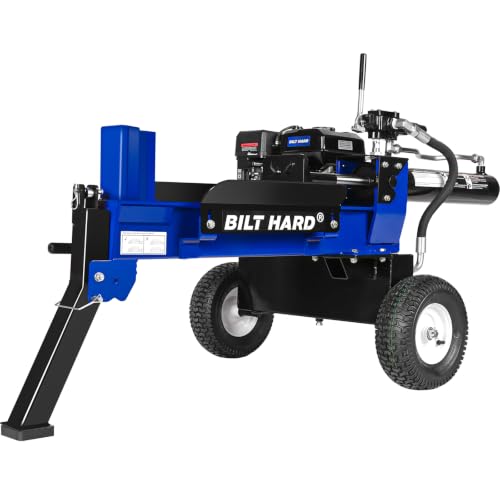

Product images: Amazon listings
Sources
- Penn State Extension — Heating with Wood: An Introduction (consulted Nov 2026)
- WEN Products — Model 56207 Lumberjack 6.5-Ton Log Splitter manual (consulted Nov 2026)
- PowerSmart (manual hosted by Lowe’s) — Instruction Manual, 6 Ton Electric Log Splitter Model PS90 (consulted Nov 2026)
- Champion Power Equipment — Operator's Manual, Model 201313 32-Ton Gas Powered Log Splitter (consulted Nov 2026)
- Champion Power Equipment — Operator's Manual, Model 100330-1 37 Ton Full Beam Log Splitter (consulted Nov 2026)